9 Tips for Choosing an Outdoor Hot Tub That Offers Long-Term Value
Hot Tub Buying Guide for Homeowners
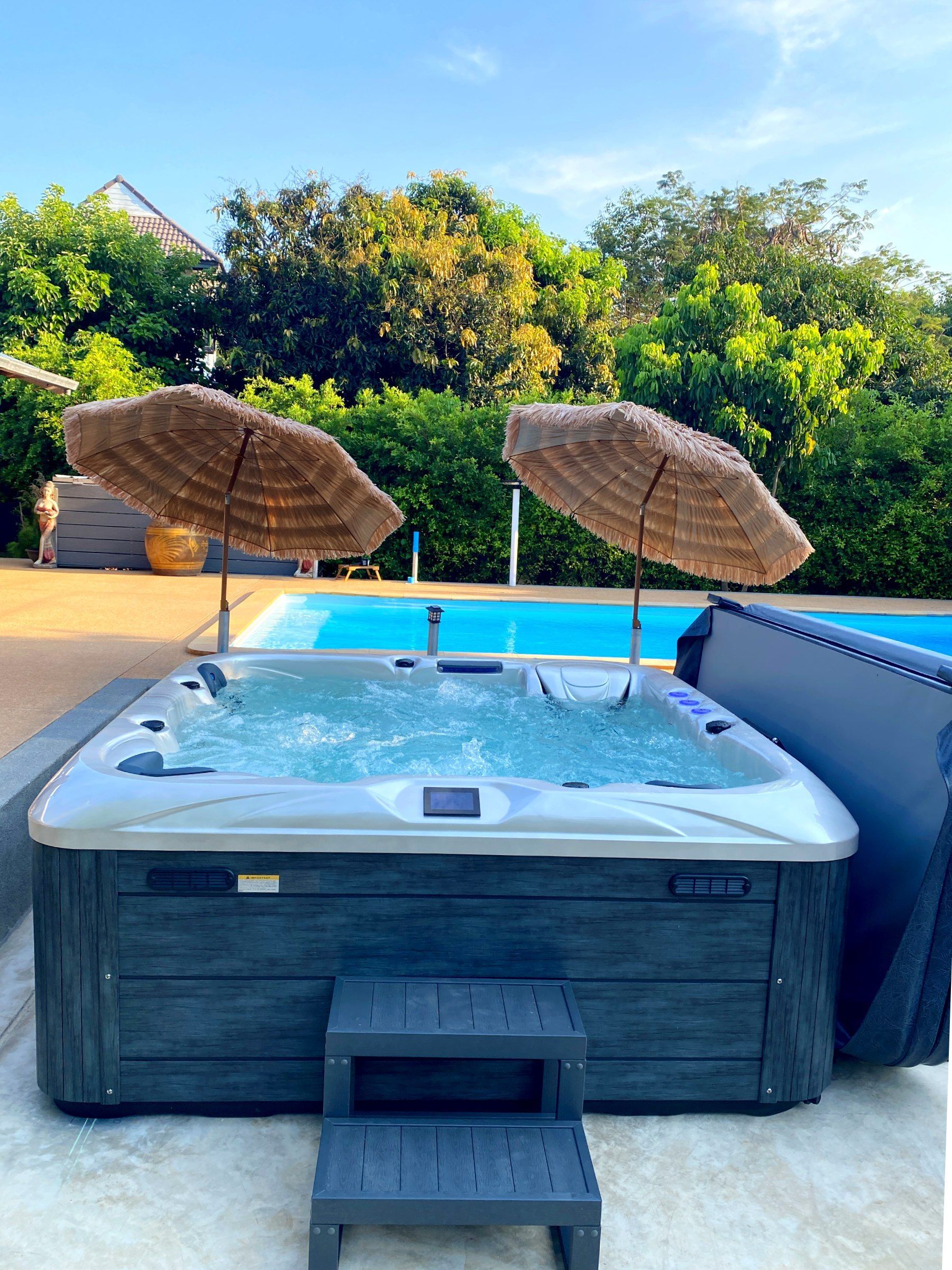
How to Choose a Hot Tub That Lasts
In today’s highly competitive market, the way consumers choose products has changed significantly. In the past, buyers often focused on the country of origin or manufacturing base when making purchasing decisions. However, with globalization and open trade, it is now essential to evaluate products based on deeper insights—not just origin and price.
Every business, whether large or small, is driven by people. Their mindset, values, and intentions are reflected in the product—whether they aim to deliver genuine quality or prioritize low cost and high profit. This applies across all countries, regardless of development level. Even in developed countries, low-quality outdoor hot tubs exist, just as high-quality ones do.
This article outlines key factors to help buyers compare and choose the right outdoor hot tub for long-term use.
1. Acrylic Surface
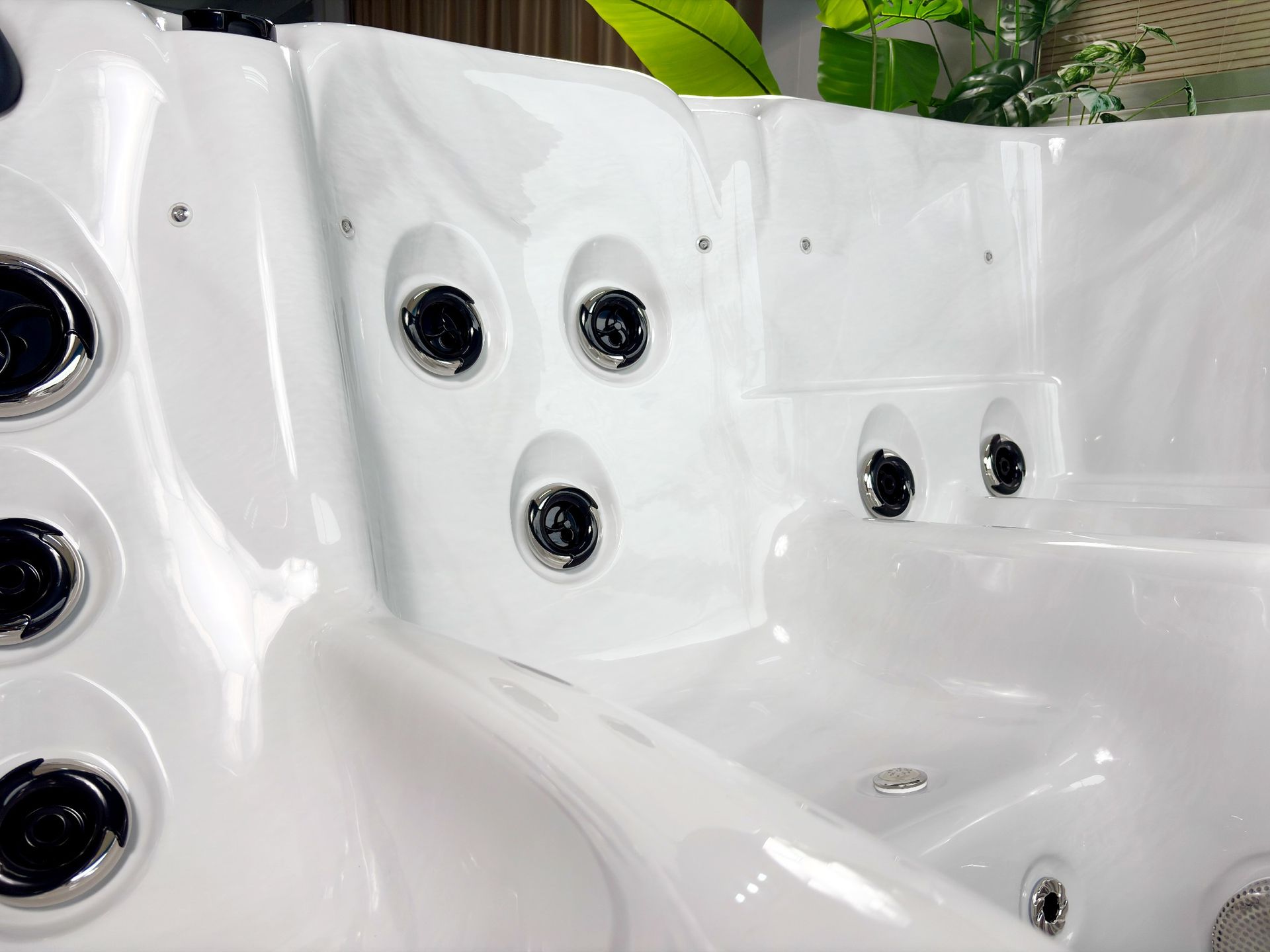
The acrylic surface is the first layer of the hot tub and the part users see and touch. It should be smooth, seamless, and made from a single molded piece to ensure both comfort and durability.
Globally, two leading acrylic brands are widely used:
- Aristech
- Lucite
These materials are specifically designed for outdoor hot tub use and offer excellent resistance to environmental conditions.
A high-quality acrylic surface not only enhances appearance but also ensures long-term performance. It maintains its color, gloss, and smooth finish for years, even under outdoor exposure.
From a structural perspective, the durability of the acrylic surface is also supported by the fiberglass layer beneath it. Proper reinforcement helps prevent deformation, cracking, and long-term damage.
Modern premium acrylic materials provide multiple advantages:
Key Takeaways
- Excellent resistance to stains, mildew, and chemicals (such as chlorine)
- Strong UV and weather resistance, ideal for outdoor environments
- Durable surface that maintains aesthetic appearance over time
- High heat resistance, reducing shrinkage during manufacturing
- Flexible material for precise installation of jets, valves, and systems
- Smooth, non-porous surface that helps prevent bacteria buildup
- Naturally hygienic and easy to maintain
- Simple cleaning with water and mild soap
- Color is embedded throughout the material, preventing fading over time
2. Fiberglass Structure
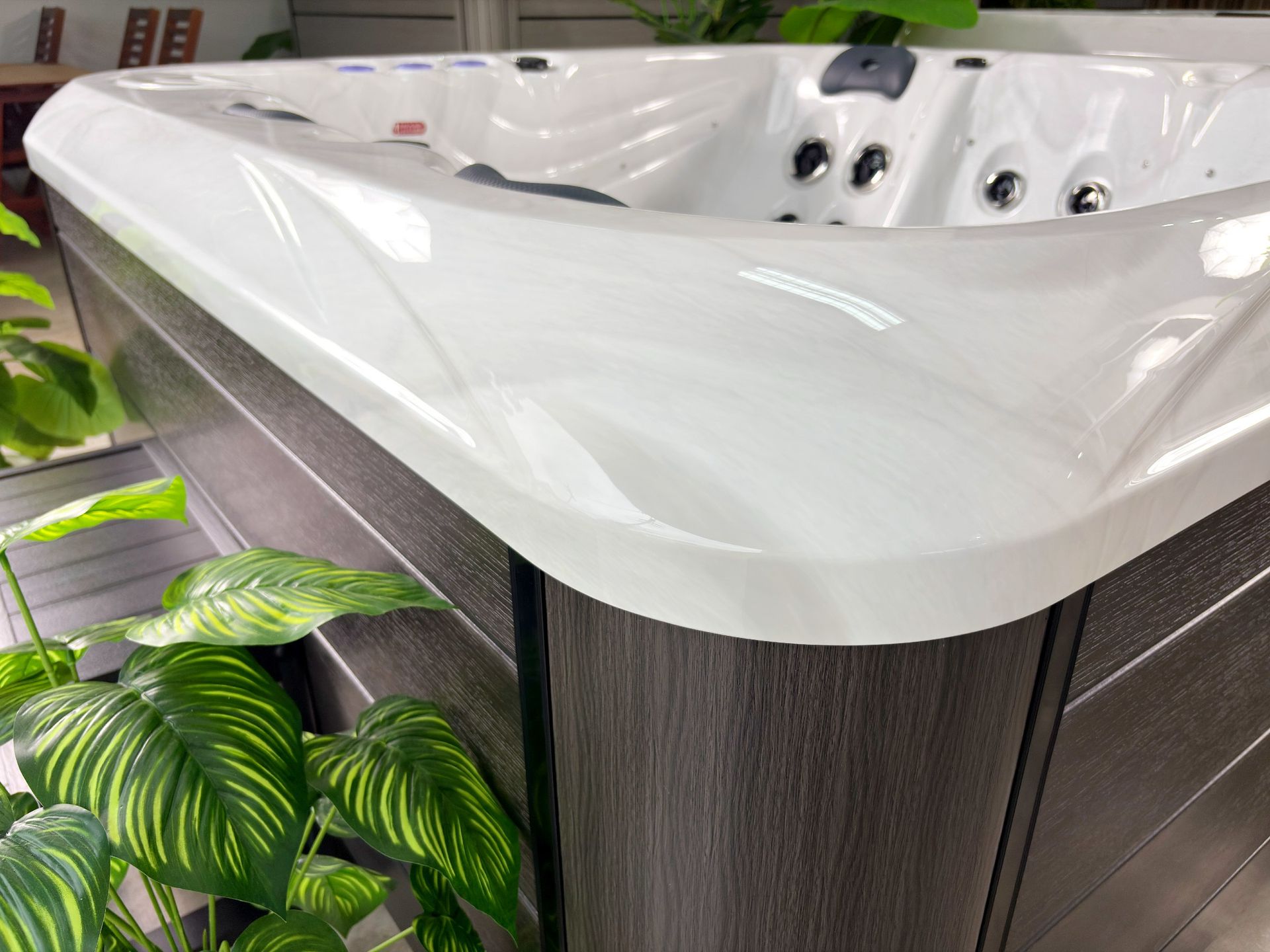
Fiberglass forms the second layer (shell structure), providing strength and durability to prevent leaks or cracks.
A quality fiberglass shell should:
- Have a thickness of at least 7 mm
- Be built with multiple layers of resin and fiberglass
The production process requires time and skilled labor. Faster production often leads to lower quality. Thicker fiberglass improves durability, but material composition and layering also matter.
3. Plumbing System Quality
The internal plumbing system reflects the manufacturer’s attention to detail.
Flexible Pipes vs. Rigid Pipes
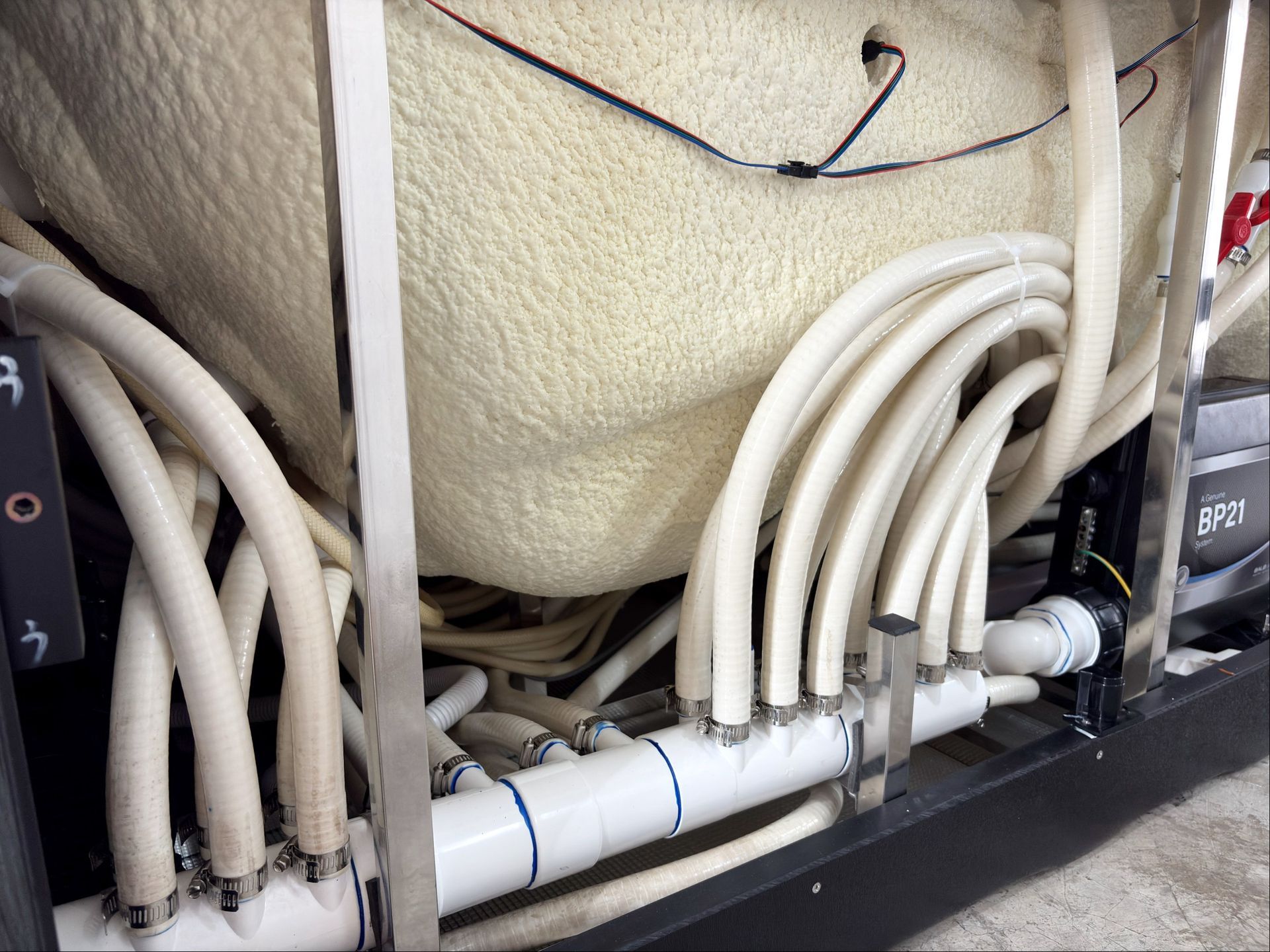
Flexible pipes (typically ¾ inch) are preferred because they:
- Absorb vibration from water pressure
- Are more durable and resistant to cracking
- Perform better in changing outdoor temperatures
Connection Method
High-quality systems use:
- Adhesive + clamps (hose clips)
This method:
- Reduces leakage risk
- Extends lifespan
- Allows easier repairs
Using only adhesive can lead to major repairs, as leaks may require replacing the entire manifold system.
Pipe Layout Design
A well-designed system should:
- Secure manifolds firmly
- Avoid excessive vibration
- Use correct pipe length (not too tight or too loose)
Poor design can lead to long-term leakage issues.
Pump Base Installation
A strong pump base:
- Prevents movement and vibration
- Reduces noise
- Protects pipe connections from damage
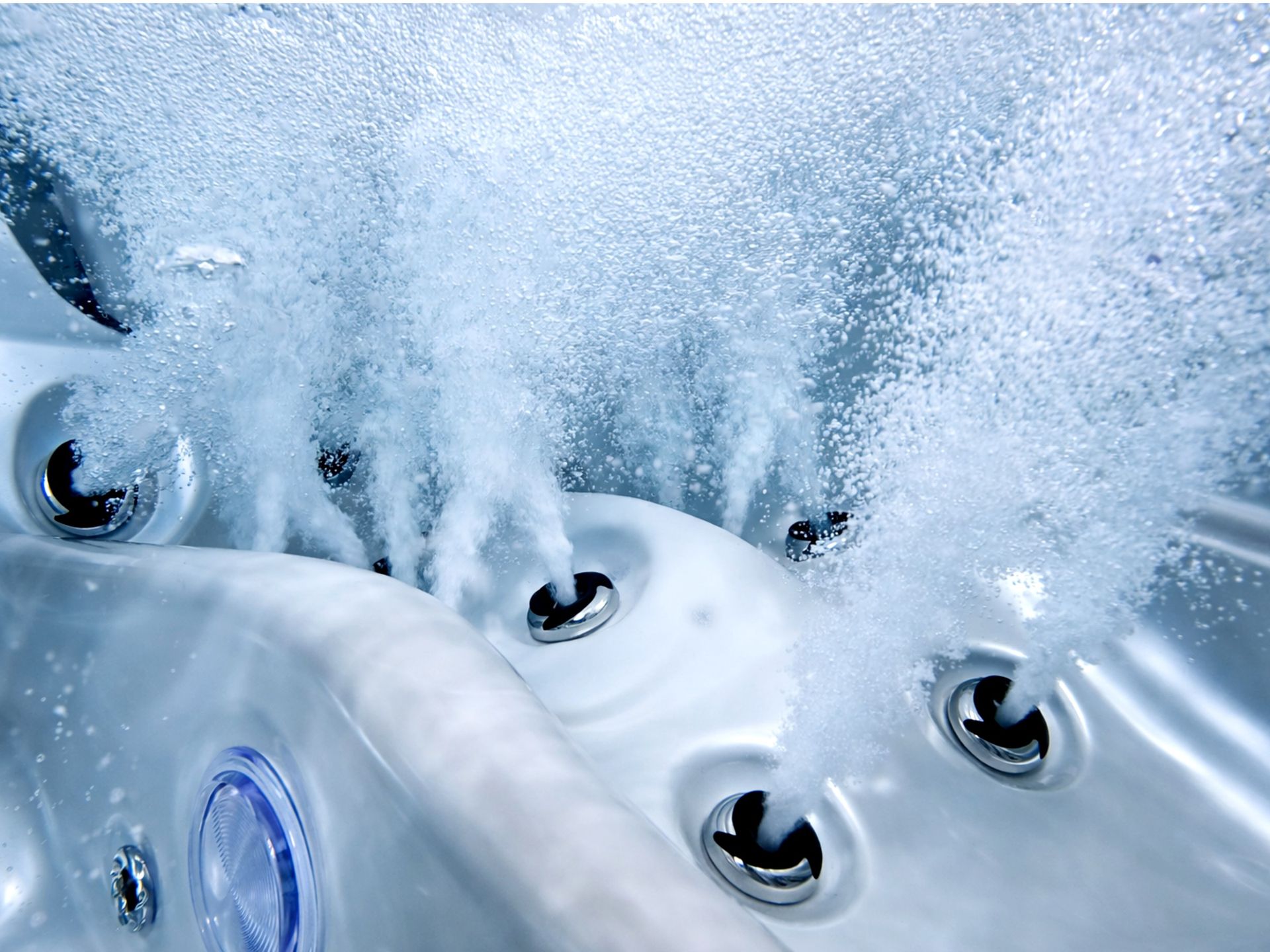
4. Massage Jet System Quality
Many buyers focus only on the number of jets—but this can be misleading.
Jet Types
- Water Jets (Hydrotherapy Jets): Strong massage using water pressure
- Air Jets: Gentle bubbles, mostly for relaxation and ambiance
Water jets provide deeper muscle relief, while air jets offer light surface stimulation.
Jet Placement
Choose a model based on your needs:
- Lower back pain → lumbar jets
- Leg/foot pain → calf and foot jets
Jet Size
- Large jets (4–5 inches): softer, deeper massage over larger areas
- Small jets (2–2.25 inches): targeted, pressure-point massage
Larger jets typically require stronger pumps and cost more.
Important Tip
Check the jet housing behind the shell to ensure it matches the visible jet size. Some manufacturers use smaller housings with larger-looking fronts, reducing performance.
Valves
- Diverter valves: control water direction
- Air valves: adjust jet intensity
High-quality valves should be durable, easy to turn, and made with strong internal components.
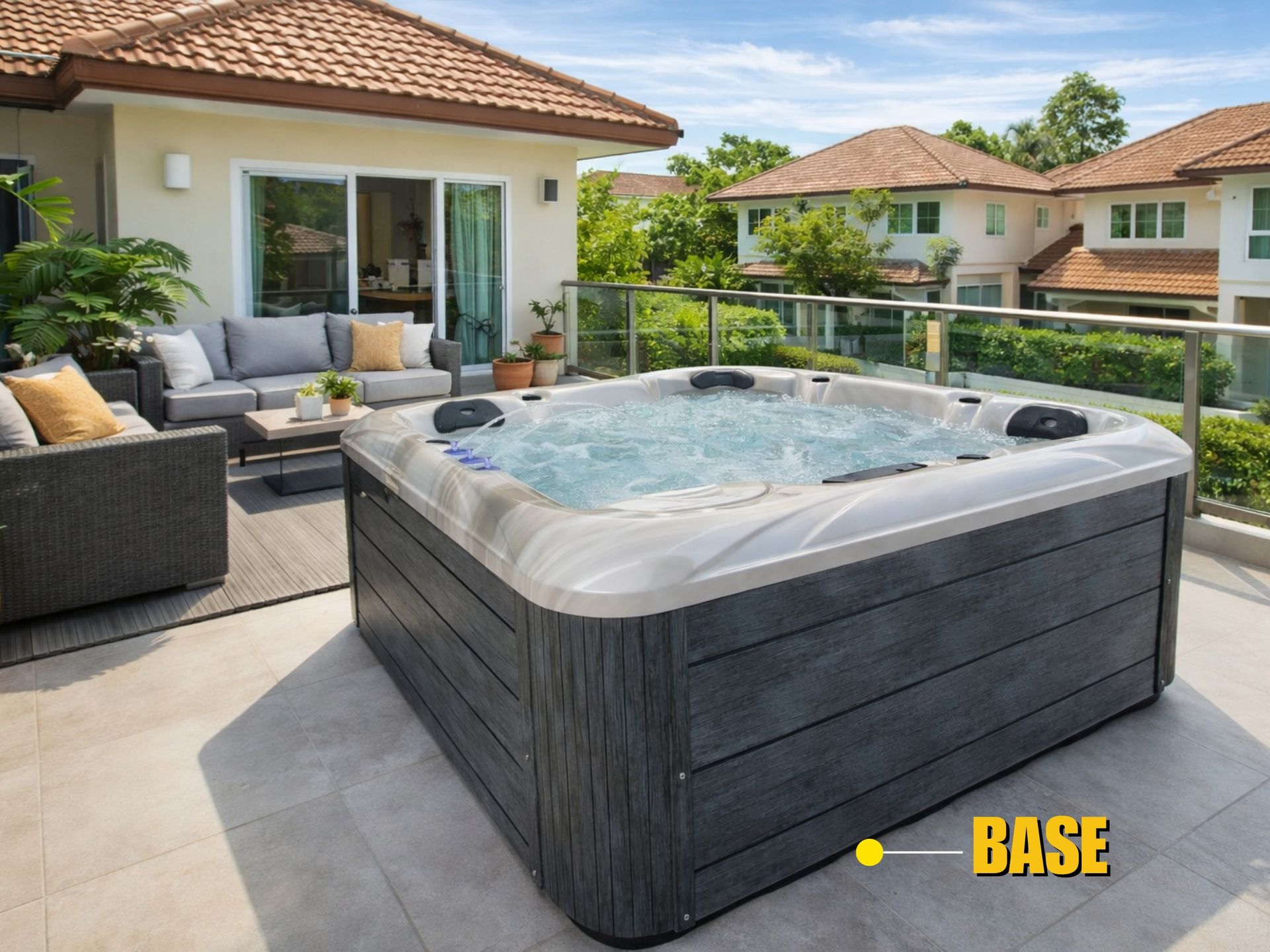
5. Bottom Base Installation
The bottom base is not for weight support but for:
- Moisture protection
- Extending the lifespan of internal systems
Common materials:
- ABS plastic
- Fiberglass
Hot tubs without a proper base are more prone to long-term damage from moisture and should be avoided.
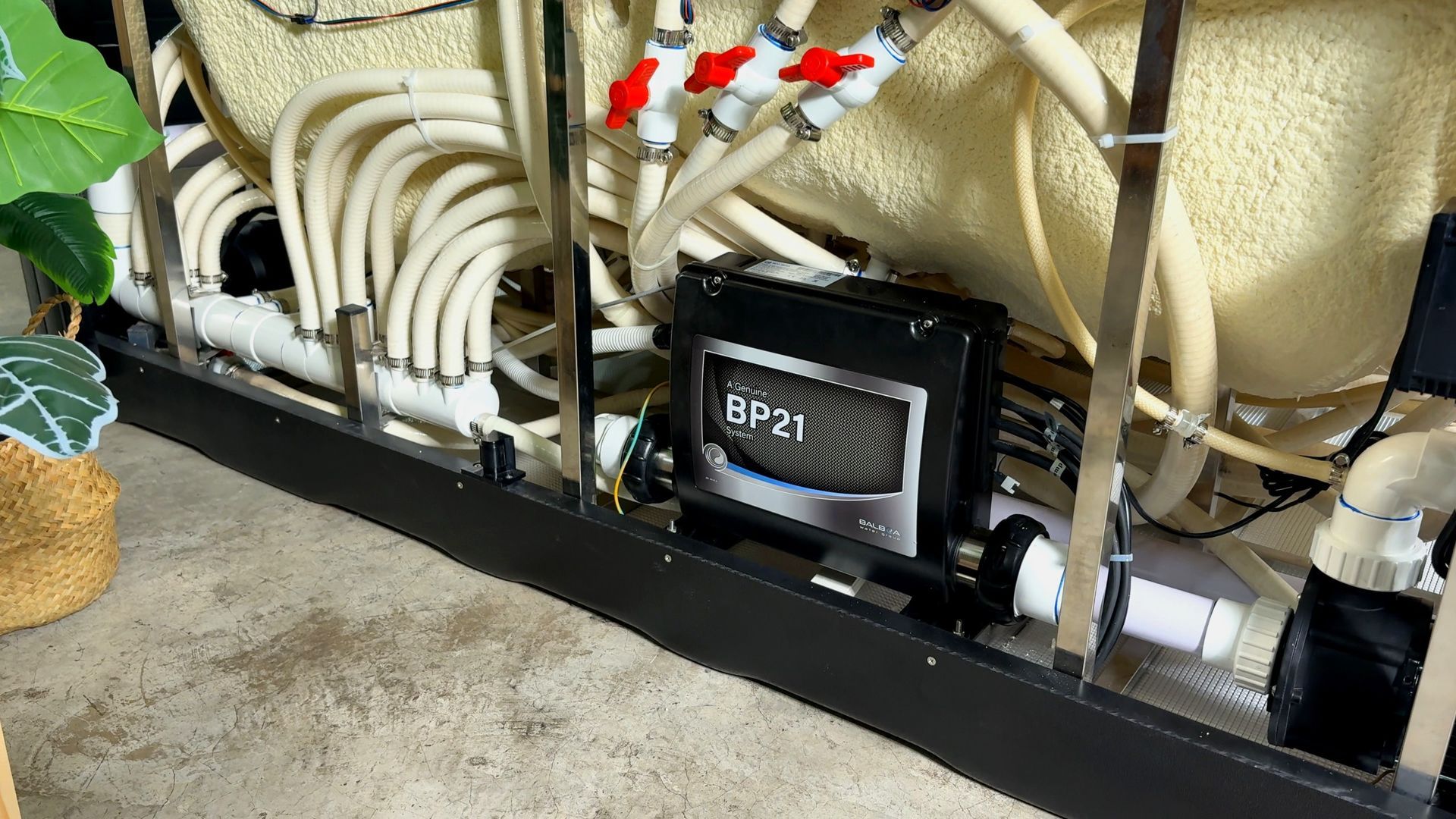
6. Electrical System Quality (Control System, Heater, Keypad)
The electrical system is the “brain” of the hot tub.
Key components include:
- Control system
- Heater
- Keypad
Globally trusted brands:
- Balboa
- Gecko
Balboa, widely used by premium brands like Jacuzzi, is a leading choice due to its reliability and safety.
Choosing a high-quality electrical system ensures:
- User safety
- Longer lifespan
- Easier maintenance
Lower-cost alternatives may reduce upfront price but often lead to higher long-term costs.
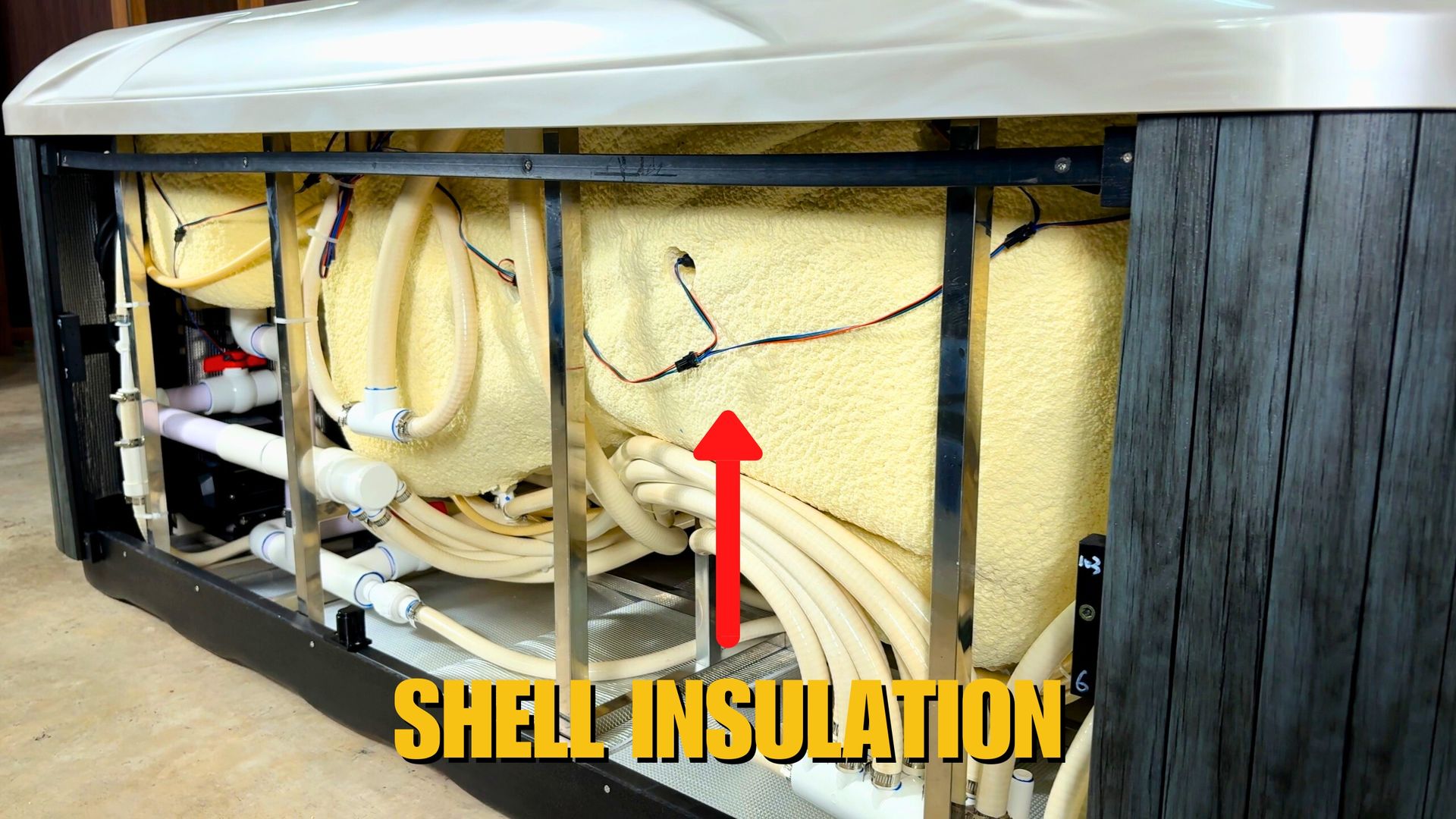
7. Insulation System
Insulation is critical for maintaining water temperature and reducing energy costs.
Types of Insulation
1. Full Foam Insulation
- Foam fills the entire base
- Best heat retention
- Used in premium brands
- Higher energy efficiency
Drawback: Difficult and costly to repair leaks
2. Partial Insulation
- Installed in selected areas (shell, cabinet, base)
- Easier maintenance
- Lower cost
Drawback: Less effective in cold climates
In warm countries like Thailand, partial insulation is often sufficient.
Hot Tub Cover
A high-quality cover:
- Retains heat
- Protects the surface from sunlight
Key factors:
- Thickness (typically 2.5–8 inches)
- Marine-grade vinyl material
- Internal moisture protection
Thicker covers retain heat better but are heavier to handle.
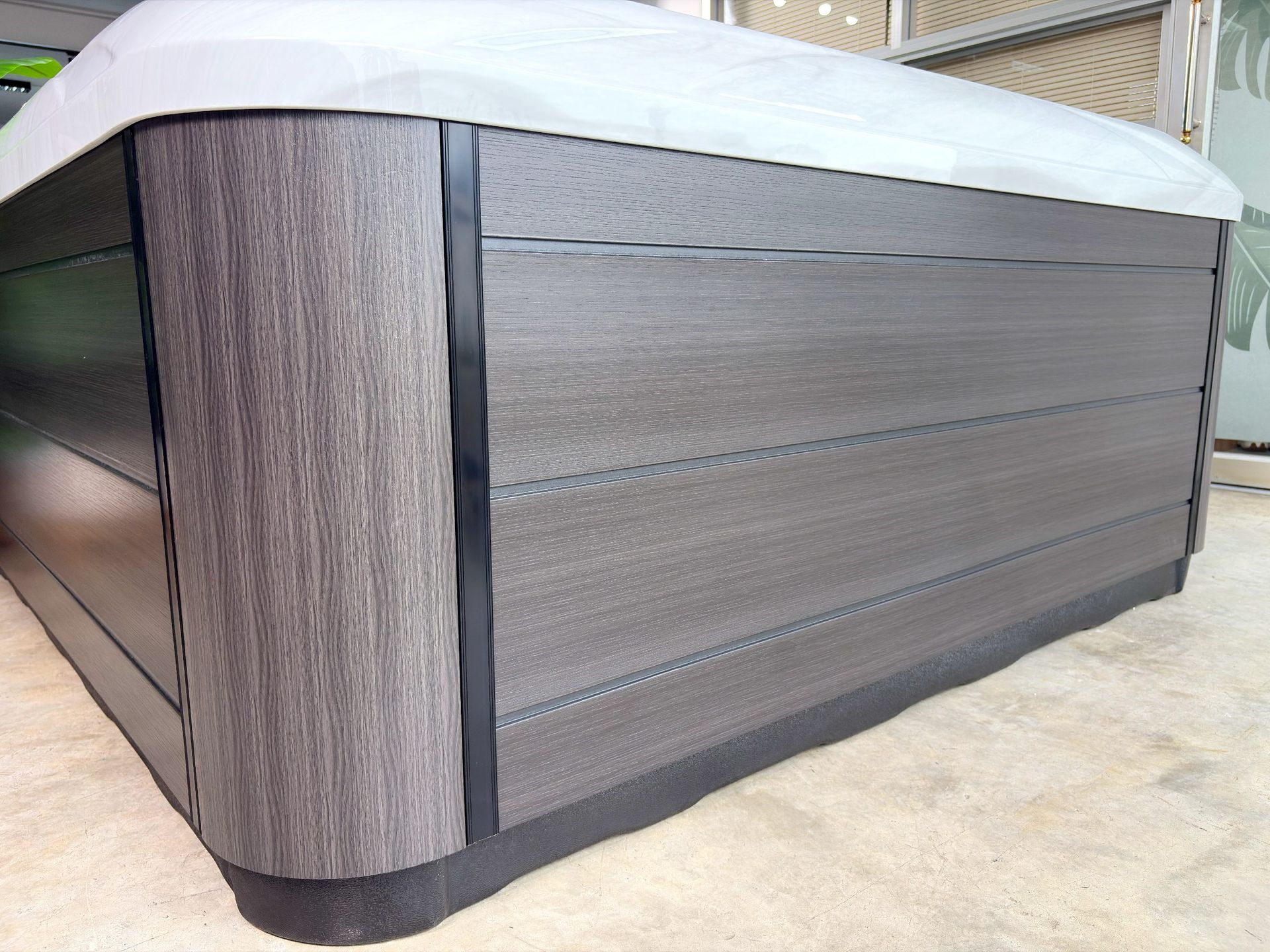
8. Cabinet (Synthetic Wood Panels)
The cabinet:
- Protects internal components from weather, dust, and pests
- Extends lifespan
Even for built-in installations, the cabinet should not be removed, as underground moisture can cause long-term damage.
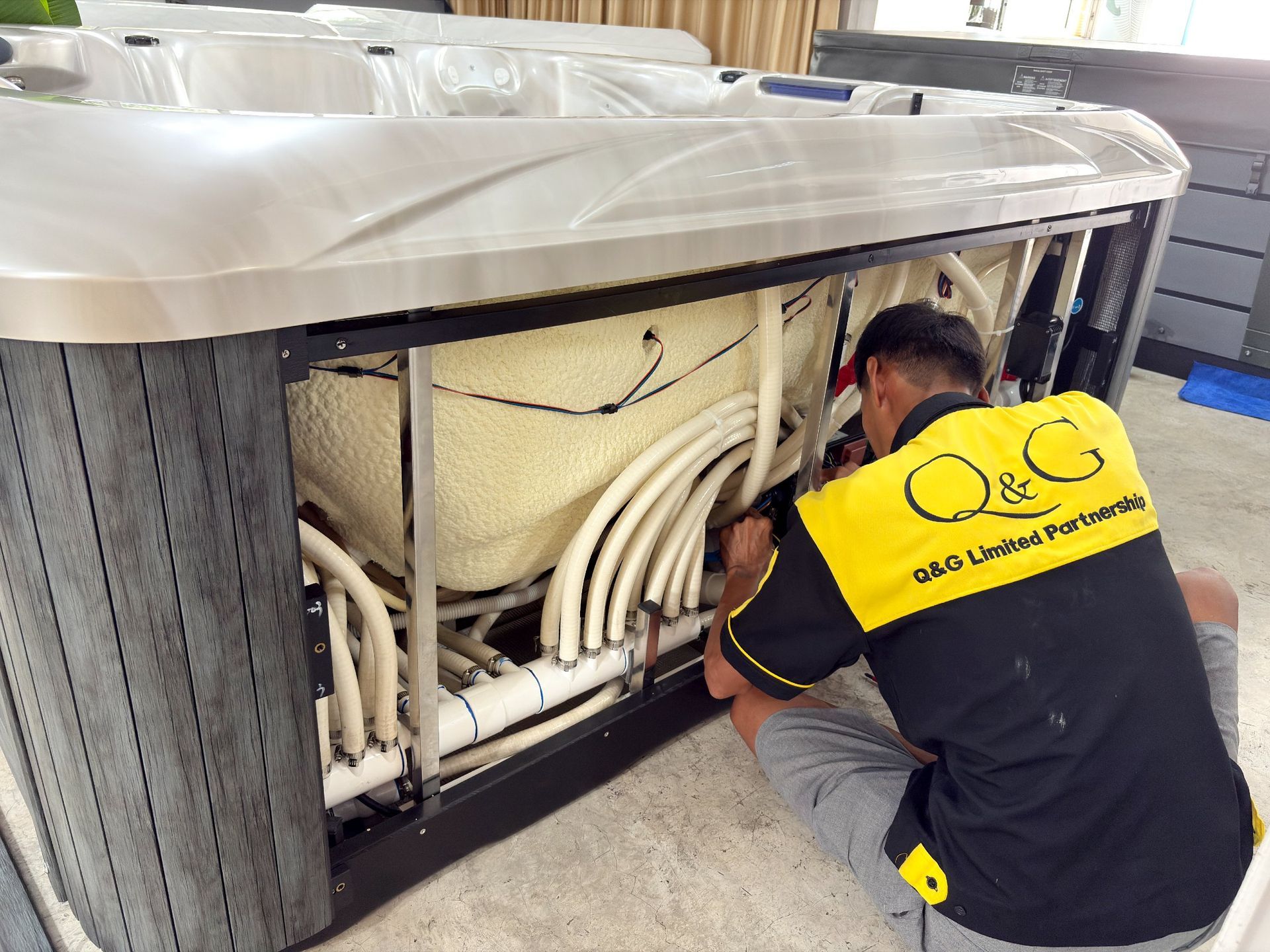
9. Dealer Expertise
The dealer plays a crucial role in:
- Safe transportation
- Proper installation
- Electrical setup
- User guidance
- Maintenance support
Improper handling can damage the structure, even if the product is high quality.
Professional dealers use:
- Proper lifting equipment
- Experienced technicians
- Safe installation practices
They also ensure:
- Correct electrical setup
- Proper usage guidance
- Efficient troubleshooting
Conclusion: How to Choose the Best Outdoor Hot Tub
Choosing an outdoor hot tub is an investment in comfort, health, and lifestyle. By following this hot tub buying guide, you can confidently understand how to choose a hot tub that delivers durability, safety, and long-term value.
Instead of focusing only on price, evaluate:
- Materials and construction
- System quality
- Insulation and efficiency
- Dealer expertise
- This approach will help you select the best hot tub for home that meets your needs for years to come.
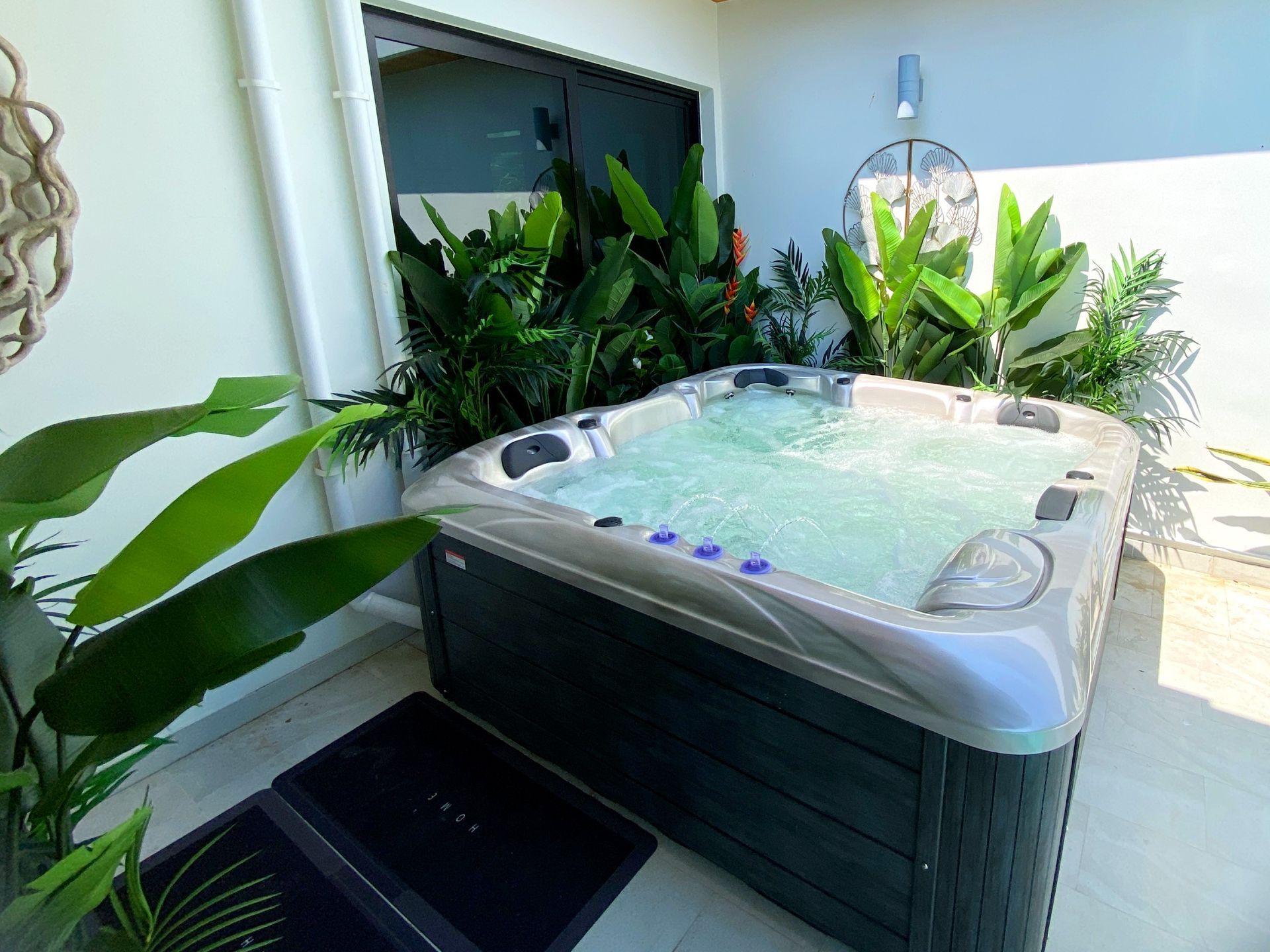
Ready to Choose Your Outdoor Hot Tub?
Choosing the right outdoor hot tub is an investment in comfort, relaxation, and long-term value. Let our experts help you find the perfect model for your home.
👉 Explore our Outdoor Hot Tub Collection:
QandGTub.com
📞 Call: +66 87-816-6383
Q&G Limited Partnership
Your trusted outdoor hot tub specialist